
If you’ve been eyeing THCA products but aren’t sure whether they’re legal in North Carolina, you’re not alone in feeling confused. The laws around hemp-derived cannabinoids have shifted so often that even experienced buyers need a reliable source to break it all down.
At JK Distro, we’ve been on the front lines of hemp innovation and compliance since the beginning, so when it comes to THCA legality, we know exactly what’s fact, what’s gray area, and what’s safe for North Carolina consumers.
In this article, we’ll explain THCA, how North Carolina law treats it, and what that means for anyone looking to buy or sell hemp-derived products in the state. Whether you’re a curious first-time shopper or a regular user looking to stay compliant, this guide will help you understand the current laws and make your next purchase with confidence.
Hemp-derived THCA is gaining traction across the wellness and hemp community, but understanding how it fits into North Carolina’s legal landscape starts with knowing the science behind the cannabinoid itself. THCA stands for tetrahydrocannabinolic acid, and while it may appear closely related to hemp-derived Delta-9 THC, its effects and legal status are distinct.
THCA is a naturally occurring cannabinoid acid found in raw cannabis hemp plants. Unlike hemp-derived Delta-9 THC, which is well-known for its psychoactive effects, THCA is non-intoxicating in its original form. When hemp is freshly harvested, most of its “THC” content is actually present as THCA. This means that raw hemp-derived THCA does not produce noticeable sensations typically associated with Delta-9 THC.
One of the primary reasons lawmakers so closely watch THCA is that it’s a precursor to hemp-derived Delta-9 THC. Through a process called decarboxylation, triggered by heat or prolonged exposure to light, THCA converts into Delta-9 THC. This reaction can occur when hemp-derived flower is smoked, vaporized, or baked, unlocking the cannabinoid’s psychoactive properties.
Navigating the legal landscape of hemp-derived cannabinoids can be complex, especially as scientific discovery and legislation evolve. Here’s what you need to know to make informed, compliant decisions.
The legal status of hemp-derived THCA in North Carolina is directly tied to both federal and state statutes. After the passage of the 2018 Farm Bill, hemp and its derivatives, including THCA, became federally legal, provided the final product contains less than 0.3% hemp-derived Delta-9 THC by dry weight.
North Carolina has harmonized its policies with federal law, recognizing cannabis hemp (not marijuana) and its derivatives as legal, as long as all regulatory testing and labeling requirements are met. This means hemp-derived cannabinoids like THCA, CBD, and hemp-derived Delta-8 THC are subject to oversight, quality standards, and labeling protocols.
THCA, or tetrahydrocannabinolic acid, is a non-psychoactive precursor to hemp-derived Delta-9 THC. By state and federal law, legal products must always remain under the 0.3% Delta-9 THC limit. Hemp flower, concentrates, and edibles high in THCA can lawfully be sold and possessed in North Carolina as long as they comply with these thresholds. Lab testing and Certificates of Analysis help guarantee the legality and safety of every batch.
Adults 21 and over can legally purchase and possess hemp-derived THCA products in North Carolina, provided they meet both federal and state compliance standards. Out-of-state shipping, online ordering, and local retail sales are permitted, so long as the product remains within compliant THCA and Delta-9 THC limits and is derived from cannabis hemp, not marijuana. Any product that exceeds the 0.3% Delta-9 THC threshold or is marijuana-derived would fall outside legal protection.
The phrase “The Legal Gray Area: THCA’s Conversion to Delta-9 THC” refers to a complex legal loophole stemming from the difference between the two compounds and how federal U.S. law defines legal hemp. Here is a breakdown of the key concepts and the legal gray area:
The legal issue hinges on the definition of “hemp” under the 2018 U.S. Farm Bill:
Because of this loophole, there are two primary methods used in cannabis testing, which affect the legality in different states:
Some states and regulatory bodies have moved to adopt the Total THC standard to shut down the loophole and better regulate intoxicating products. In contrast, others continue to adhere strictly to the Delta-9 THC standard as defined in the 2018 Farm Bill. This disparity creates the “legal gray area” where the same product may be legal hemp in one state and illicit marijuana in another.
Understanding the regulations around hemp-derived THCA products is crucial for North Carolina residents and businesses. While the 2018 Farm Bill federally legalized hemp (defined as cannabis hemp containing less than 0.3% hemp-derived Delta-9 THC by dry weight), North Carolina follows specific guidelines and requirements for the sale, possession, and use of hemp and its cannabinoids.
All legal hemp-derived products, including THCA flower and concentrates, must undergo rigorous third-party lab testing. These tests verify potency and ensure products remain below the federally mandated threshold of 0.3% hemp-derived Delta-9 THC by dry weight. Certificates of Analysis (COAs) from accredited labs are standard industry practice, offering transparency and traceability for each batch.
State guidelines require that packaging for hemp-derived cannabinoid products include clear labeling. This typically entails accurate cannabinoid content, batch numbers, and scannable QR codes linked to lab reports. These elements help customers confirm legal compliance and product safety.
North Carolina law restricts the purchase and possession of hemp-derived cannabinoids, including THCA, to adults aged 21 and over. Retailers are expected to verify age at the point of sale, whether online or in-person, to ensure only eligible consumers access these products.
Moving hemp-derived THCA products across state lines into North Carolina is permitted, provided the products meet all applicable federal and state legal requirements. Retailers and distributors must maintain meticulous records to demonstrate compliance in the event of regulatory inspections.
Businesses selling hemp-derived THCA must operate within the broader framework of federal and state hemp laws. This includes maintaining up-to-date licenses (where required), sourcing products from reputable, compliant suppliers, and adhering to ongoing training and education on emerging cannabinoid regulations.
While federal law guides the 2018 Farm Bill, state statutes add layer of legal complexity. Being out of sync with these regulations can result in serious consequences. Here’s an overview of the key legal risks and penalties associated with possessing, selling, or distributing non-compliant THCA products in North Carolina.
Possessing or distributing THCA products that exceed North Carolina’s legal threshold for hemp-derived Delta-9 THC (0.3% by dry weight) can result in criminal charges. Products not adequately labeled or lacking traceable Certificates of Analysis may be treated as controlled substances under state law. First-time offenses may result in misdemeanor charges, but repeated patterns of non-compliance could lead to felony prosecution.
Law enforcement agencies in North Carolina are authorized to seize non-compliant hemp-derived products, including those containing THCA, during routine inspections or enforcement actions. Confiscated goods are subject to destruction, and business owners may find their inventory, equipment, or even records subject to forfeiture if suspected of violating controlled substance statutes.
Aside from criminal penalties, civil consequences also loom large. Businesses found to be distributing or selling non-compliant hemp-derived THCA products may face substantial fines, suspension of permits, or even permanent revocation of their business licenses. Regulatory bodies can also mandate additional testing expenses or impose corrective measures requiring product recalls or enhanced compliance protocols.
Legal issues linked to non-compliant hemp-derived cannabinoid products can quickly ripple through an organization’s operations. Prolonged investigations, negative media attention, and loss of sales channel partnerships are all potential fallout. Rebuilding trust with adult consumers, wellness-focused clients, or retail collaborators may take significant time and investment after any compliance lapse.
As hemp laws continue to evolve nationwide, North Carolina’s stance on THCA remains fluid, and that means change could be on the horizon. Lawmakers and enforcement agencies are paying close attention to how THCA products are marketed, sold, and used, especially given their potential to convert into Delta-9 THC. Any future amendments to state or federal hemp legislation could directly impact how THCA is regulated or restricted.
Consumers and businesses should watch upcoming legislative sessions and policy updates from the North Carolina Department of Agriculture and the U.S. Drug Enforcement Administration (DEA). Even small changes in federal interpretation of hemp laws, like redefining total THC rather than just Delta-9, could reshape the entire industry.
North Carolina’s approach to hemp-derived THCA sits in a delicate balance between innovation and regulation. While the state aligns with the federal definition of hemp, its practical enforcement depends on maintaining products below the 0.3% Delta-9 THC threshold.
For consumers, this means THCA flower, concentrates, and edibles remain legal, as long as they’re lab-tested, properly labeled, and derived from compliant hemp sources. For businesses, it underscores the importance of strict transparency, accurate testing, and staying informed about legislative shifts that could redefine compliance overnight.
As laws evolve, North Carolinians interested in hemp-derived THCA should source from reputable suppliers like JK Distro, where safety, quality, and compliance remain top priorities.
Read also:
Hemp-derived THCA is not classified as a controlled substance in North Carolina if it meets federal and state criteria, specifically, originating from hemp with less than 0.3% hemp-derived Delta-9 THC on a dry weight basis.
Yes, adults aged 21 and over can purchase hemp-derived THCA products that comply with state and federal laws. Look for lab-tested, compliant products from reputable sources like JK Distro.
Currently, there are no specific possession limits for legal hemp-derived THCA products in North Carolina, as long as they meet the Delta-9 THC threshold. Always keep proof of compliance, such as a Certificate of Analysis.
Yes, shipping hemp-derived THCA to North Carolina is legal if the products comply with federal and state hemp laws. JK Distro offers discreet and compliant shipping throughout the state.
Yes, you may grow hemp for cannabinoid production, including THCA, if you obtain a valid license under North Carolina’s hemp program and follow all cultivation regulations.
Yes, you can travel within North Carolina with hemp-derived THCA products that are legally compliant. It’s wise to keep documentation verifying the product’s hemp status and Delta-9 THC content.

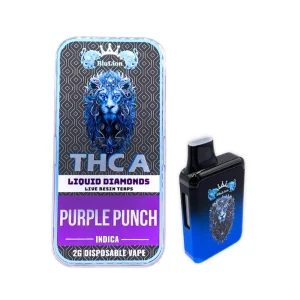
Support cannabis rights with a donation. Your contribution funds legal challenges, awareness campaigns, and advocacy to keep cannabis accessible and legal. Stand up for our rights and the future of cannabis in Nationwide. Click for More info on the Hemp Litigation Fund.
Are you 21 or Older?
Please verify that you are 21 years of age or older to enter this site.
NO MINORS!
