
Organic THCA Flower
Organic THCA flower represents hemp cultivation at its most natural: grown in soil enriched with compost, protected by beneficial insects rather than synthetic pesticides, and harvested with environmental stewardship in mind. This approach yields a flower that’s not only rich in hemp-derived THCA but also free from the chemical residues that can accumulate through conventional farming methods. For consumers seeking transparency in their hemp products, organic cultivation offers verifiable standards that extend beyond marketing language.
At JK Distro, we’ve been operating in the hemp-derived space since 2019, shipping nationwide while maintaining strict third-party lab testing, batch-specific COAs, and documented compliance across state lines. We work with vetted growers, carefully review cultivation standards, and only list products that meet our internal quality benchmarks. We don’t rely on buzzwords; we rely on traceability, transparency, and execution at scale.
In this piece, we’ll break down what organic THCA flower means, how it’s cultivated, how to verify sourcing and lab data, and how to confidently choose products that align with higher standards.
-
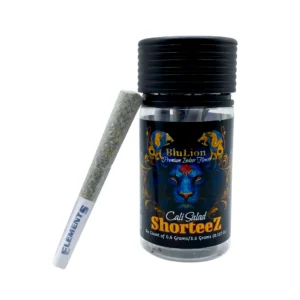 Rated 0 out of 5Sale!Select options This product has multiple variants. The options may be chosen on the product page Custom Button
$34.99Original price was: $34.99.$10.00Current price is: $10.00. -
 Rated 0 out of 5Sale!$10.00 – $17.97Price range: $10.00 through $17.97Select options This product has multiple variants. The options may be chosen on the product page Custom Button
 -
 Rated 0 out of 5Sale!$165.97 – $315.97Price range: $165.97 through $315.97Select options This product has multiple variants. The options may be chosen on the product page Custom Button
 -
 Rated 0 out of 5Sale!Select options This product has multiple variants. The options may be chosen on the product page Custom Button
$60.00Original price was: $60.00.$40.97Current price is: $40.97.
What Is Organic THCA Flower?
Organic THCA flower is hemp flower grown using organic agricultural principles and rich in tetrahydrocannabinolic acid (THCA), the natural precursor to Delta-9 THC. In its raw form, THCA retains its molecular structure until heated.
The “organic” label in hemp cultivation has a defined meaning. Since the 2018 Farm Bill legalized hemp containing no more than 0.3% Delta-9 THC on a dry-weight basis, USDA-accredited agencies can certify hemp as organic when growers meet federal organic standards and hemp production rules.
Organic cultivation requires soil-building practices like composting and crop rotation, approved pest management methods, and detailed recordkeeping. These standards eliminate synthetic fertilizers and pesticides, prioritizing plant integrity and contaminant-free flower. Choosing organic THCA flower means selecting hemp grown with documented environmental care and compliance.
Why Choose Organic THCA Flower?
Selecting organic THCA flower over conventional alternatives involves weighing factors beyond cannabinoid content. The organic cultivation approach fundamentally changes how hemp plants develop and what residues, or lack thereof, remain in the final product.
Reduced Chemical Exposure
Organic hemp cultivation eliminates synthetic pesticides, herbicides, and chemical fertilizers from the growing process. Hemp plants can uptake and accumulate certain heavy metals and contaminants from their growing environment, a characteristic that has made them candidates for phytoremediation studies.
Conventional farming often introduces chemical residues that can remain present in harvested flower. Organic practices replace synthetic pest controls and synthetic soil amendments, reducing the likelihood of synthetic chemical residues in hemp-derived THCA flower.
Enhanced Cannabinoid and Terpene Profiles
Studies suggest organic soil management may influence the development of secondary metabolites in plants, including cannabinoids and terpenes. Rich, living soil ecosystems created through organic methods can support more complex terpene profiles. While cannabinoid potency depends on genetics and growing conditions, organic cultivation prioritizes plant health, which may help preserve the full spectrum of compounds hemp naturally produces.
Environmental Sustainability
Organic farming methods support soil health, water conservation, and biodiversity. These practices reduce agricultural runoff, protect beneficial insect populations, and maintain ecosystem balance. For consumers considering the broader impact of their purchases, organic THCA flower aligns with values that extend beyond personal consumption to environmental responsibility.
Transparency and Verification Standards
The organic certification process requires detailed record-keeping and regular inspections. USDA-accredited certifiers apply rigorous standards to verify that hemp producers follow approved organic practices. This creates a documentation trail that supports product transparency and verifiable quality claims beyond what laboratory testing alone can confirm.
How JK Distro Verifies Organic THCA Flower Quality
We approach organic THCA flower verification through multiple layers of documentation and testing. Our quality assurance process reflects our commitment to transparency and the standards we’ve maintained through over 500,000 successful shipments since 2019.
Direct Grower Relationships and Documentation
Our farm-to-door philosophy means we establish direct relationships with hemp cultivators who maintain detailed records of their organic practices. We review cultivation documentation, including soil amendment records, pest management logs, and organic certification from USDA-accredited third-party certifiers.
This documentation review occurs before we add any organic THCA flower to our catalog, ensuring claims match actual cultivation methods verified through the certification process.
Comprehensive Laboratory Testing Protocols
Every batch of organic THCA flower we carry undergoes third-party laboratory testing that examines cannabinoid potency, terpene profiles, pesticide residues, heavy metals, microbial contaminants, and residual solvents.
We publish certificates of analysis for all products, providing you with verifiable data on cannabinoid content and screened contaminant results for each batch. This testing provides chemical analysis that complements the practice verification confirmed through organic certification.
Visual and Physical Inspection Standards
Beyond documentation and lab testing, we conduct visual inspections of organic THCA flower. We examine trichome development, color consistency, moisture content, and overall bud structure. Organic cultivation often produces distinct visual characteristics, and our team’s experience with thousands of hemp batches allows us to identify quality indicators that complement laboratory data.
Ongoing Supplier Compliance Monitoring
Our verification process doesn’t end with initial approval. We maintain ongoing communication with growers, review updated certifications annually, and monitor consistency across multiple harvests. This sustained oversight ensures that the organic standards we verify initially remain consistent throughout our supplier relationships.
Organic THCA Flower vs. Standard Hemp Flower
Understanding the distinctions between organic and conventional hemp flower helps clarify what you’re gaining through organic selection and what trade-offs, if any, exist between cultivation approaches.
Cultivation Method Differences
Standard hemp flower may be grown using synthetic fertilizers that provide readily available nutrients for rapid growth. Conventional pest management often includes synthetic pesticides and fungicides.
In contrast, organic THCA flower cultivation builds soil fertility gradually through composting and organic amendments, while relying on beneficial insects, companion planting, and approved organic pest management treatments.
Testing and Residue Profiles
Laboratory analysis reveals measurable differences in certificates of analysis. Organic cultivation practices restrict synthetic pesticide use, and COAs may show non-detectable levels for tested synthetic pesticides, though results depend on the specific pesticide panel and laboratory detection limits used.
Conventional hemp may test within legal safety limits while still showing trace amounts of agricultural chemicals. Heavy metal results depend on site-specific soil and water inputs and must be verified batch by batch through comprehensive testing. Both organic and conventional hemp should undergo comprehensive testing, but the residue profiles often differ.
Price Point Considerations
Organic hemp cultivation typically requires more labor, longer growing cycles, and lower yields than conventional methods. These factors translate into higher production costs, often resulting in premium pricing for organic THCA flower. The price difference reflects the additional farming inputs and certification processes rather than necessarily indicating higher cannabinoid potency.
Availability and Variety Selection
The conventional hemp market currently offers broader strain variety and more consistent year-round availability. Organic hemp cultivation faces seasonal constraints and smaller production scales. However, as organic hemp farming expands, strain selection continues to diversify. We work to maintain organic THCA flower availability across multiple varieties, though selection may be more limited than conventional options.
Selecting High-Quality Organic THCA Flower
Identifying premium organic THCA flower requires evaluating multiple factors beyond organic certification alone. Quality assessment combines visual inspection, documentation review, and understanding what laboratory testing reveals.
Certificate of Analysis Review
A comprehensive COA should report cannabinoid potency (including THCA percentage), terpene profile, pesticide screening results, heavy metal analysis, microbial contamination testing, and moisture content. For organic THCA flower, review the pesticide panel for the analytes tested and their results relative to approved limits.
Review the testing date to ensure freshness, and verify that the laboratory conducting tests maintains ISO or similar accreditation. Remember that COAs confirm chemical analysis results but cannot verify organic farming practices, which require certification documentation.
Organic Certification Verification
USDA-accredited certifying agents can certify hemp as organic when producers meet USDA organic requirements and applicable hemp production rules. Look for certification from recognized USDA-accredited organizations that verify farmers follow approved organic practices through inspection and documentation review.
Suppliers should provide certification documentation that confirms compliance with organic agricultural standards. We maintain relationships with growers who hold these certifications and can provide verification documentation upon request.
Visual Quality Indicators
Premium organic THCA flower displays dense trichome coverage, creating a frosty appearance on buds and sugar leaves. Color should be vibrant, ranging from deep green to purple, depending on strain, without brown discoloration or mold. The bud structure should feel appropriately dense without being compressed or overly dry. Stems should snap rather than bend, indicating proper curing and moisture content.
Aroma and Terpene Expression
Fresh organic THCA flower produces pronounced aromatic profiles reflecting its terpene content. Strong, pleasant aromas indicate proper curing and storage. Different strains express distinct terpene combinations, some citrusy, others earthy, some with fuel-like notes. Weak or musty odors suggest improper storage or compromised quality regardless of cultivation method.
Supplier Transparency and Reputation
Quality organic THCA flower comes from suppliers who readily share cultivation details, testing results, and certification documentation. Established suppliers with consistent product availability and positive customer feedback demonstrate reliability. We’ve built our reputation through transparent sourcing and comprehensive quality verification since our founding in 2019.
Organic THCA Flower Varieties And Options
The organic hemp cultivation sector continues expanding its strain offerings, providing diverse options for different preferences and experiences with hemp-derived THCA products.
Indica-Dominant Organic Varieties
Indica-leaning hemp strains typically develop denser bud structures with broader leaves. Popular organic indica-dominant varieties include Granddaddy Purple, Bubba Kush, and Northern Lights. These strains often express earthy, musky, or sweet aromatic profiles. When grown organically, indica varieties can develop particularly rich terpene complexity.
Sativa-Dominant Organic Options
Sativa-leaning hemp produces longer, airier buds with narrower leaves. Organic sativa-dominant strains include offerings like Durban Poison, Green Crack, and Jack Herer. These varieties frequently express citrus, pine, or tropical fruit aromatics. Organic cultivation of sativa varieties requires longer growing seasons but can yield distinctive terpene profiles.
Balanced Hybrid Organic Strains
Hybrid hemp strains combine indica and sativa genetics, creating balanced cannabinoid and terpene profiles. Popular organic hybrid varieties include Blue Dream, Girl Scout Cookies, and Gelato. These strains offer diverse aromatic profiles and are among the most sought-after organic THCA flower options.
Specialty and Limited Organic Releases
Small-batch organic cultivators occasionally produce specialty strains with unique genetics or cultivation methods. These limited releases may feature rare terpene profiles or experimental organic growing techniques. We monitor organic hemp harvests to identify distinctive offerings that meet our quality standards while providing variety beyond mainstream strains.
How To Purchase Organic THCA Flower Responsibly
Shopping for organic THCA flower responsibly means prioritizing transparency, compliance, and verifiable quality, especially when buying online. At JK Distro, we streamline this process so you can feel confident in your orders.
- Check for Third-Party Lab Testing: Every organic THCA flower product we offer includes a Certificate of Analysis (COA) from an accredited lab. Before adding to the cart, review the COA to confirm cannabinoid content and verify that the flower meets organic cultivation claims and contaminant standards.
- Review Cultivation and Sourcing Details: We provide clear information about where a product was grown and the farming practices involved. Look for descriptions or notes on organic cultivation methods to ensure the flower aligns with your expectations.
- Verify Compliance Metrics: Confirm that the product meets federal hemp requirements (≤0.3% Delta-9 THC on a dry-weight basis). Lab reports linked on the product page make this easy to verify.
- Compare Strains, Formats, and Sizes: Organic THCA flower comes in different strains, cuts, and quantities (e.g., full ounces, smalls). Consider what suits your needs for freshness, storage, and use.
- Use Secure Checkout and Shipping Options: JK Distro offers secure payment processing and discreet shipping. Confirm your shipping address and any state-specific restrictions before completing your order.
- Ask Our Support Team: If you have questions about organic certification, lab data, or product handling, reach out via chat or email. Our team is here to help you make an informed purchase.
Frequently Asked Questions About Organic THCA Flower
What is organic THCA flower, and how does it differ from other hemp products?
Organic THCA flower is hemp flower grown using certified organic farming practices without synthetic pesticides or fertilizers, containing high concentrations of tetrahydrocannabinolic acid. Unlike CBD-dominant hemp or processed hemp extracts, THCA flower contains the raw cannabinoid acid that converts to Delta-9 THC when heated through decarboxylation, and the organic designation ensures cultivation that follows strict environmental and purity standards, verified through USDA-accredited certification.
Why should I choose organic THCA flower over conventional hemp products?
Organic THCA flower is cultivated using practices that restrict synthetic pesticide and fertilizer use, potentially reducing certain chemical residues compared to conventional hemp; offers potentially richer terpene profiles from living-soil cultivation; and supports environmentally sustainable farming practices.
What is THCA, and how does it differ from Delta-9 THC?
THCA (tetrahydrocannabinolic acid) is the raw cannabinoid acid found in fresh cannabis hemp plants, containing an additional carboxyl group in its molecular structure. Delta-9 THC results from decarboxylation, when THCA is exposed to heat through smoking, vaping, or cooking, removing the carboxyl group and converting it to the form recognized in standard cannabinoid testing.
How important is third-party laboratory testing when selecting organic THCA flower?
Third-party laboratory testing is essential for verifying cannabinoid potency and screening for contaminants. Comprehensive testing confirms THCA content, reveals pesticide residue levels for the analytes included in the test panel, identifies heavy metal content, and screens for microbial contamination. However, COAs provide chemical analysis and cannot verify organic farming practices. Those require certification and inspection by USDA-accredited certifying agents.
What does "organic" certification mean in hemp cultivation?
USDA-accredited certifying agents can certify hemp as organic when producers meet USDA organic requirements and applicable hemp production rules. These certifications verify that farmers use approved organic pest management, build soil fertility through composting rather than synthetic fertilizers, maintain detailed cultivation records, and undergo regular inspections to confirm compliance with organic agricultural practices.
How can I identify high-quality organic THCA flower by appearance and certificates of analysis?
High-quality organic THCA flower displays dense trichome coverage, creating a frosty appearance, vibrant color without brown discoloration, appropriate density, and strong aromatic profiles. The COA should show THCA percentages, pesticide screening results for the specific panel tested, diverse terpene profiles, heavy metal and microbial contaminant results, and testing dates confirming freshness.